

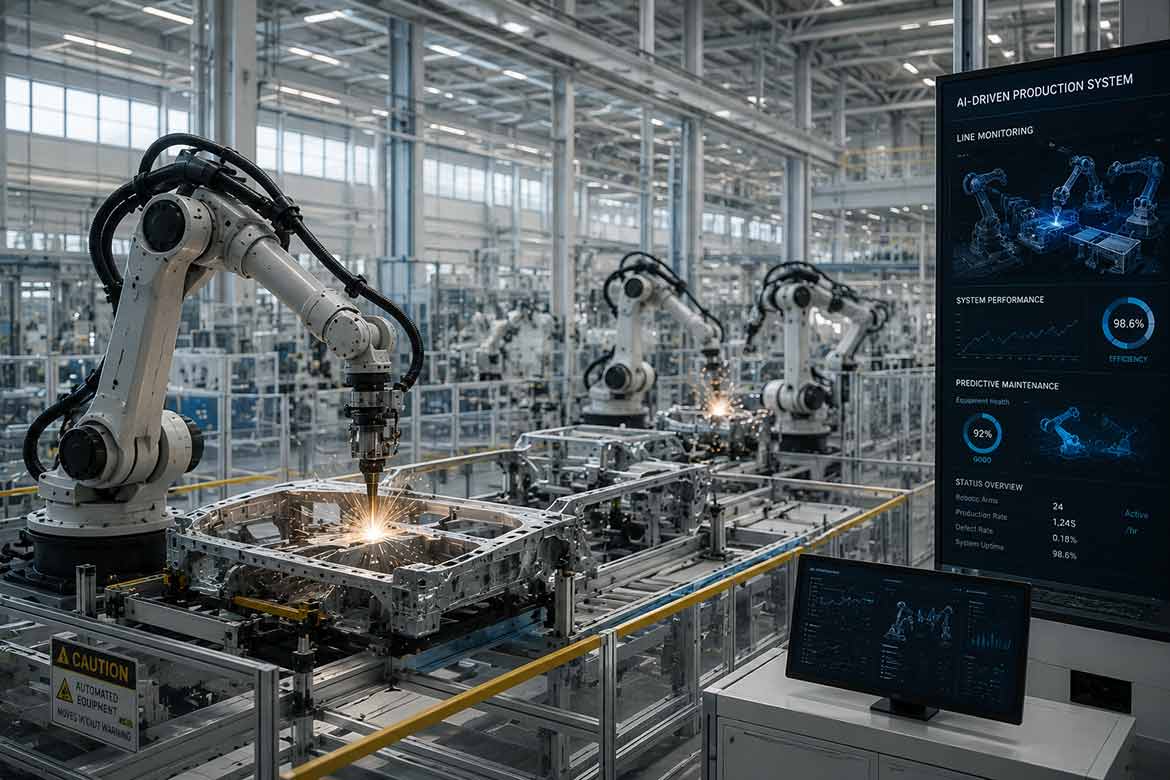
Artificial intelligence is continuing to move away from experimental visibility and toward quieter forms of operational integration.
Across enterprise environments, infrastructure systems, and institutional workflows, organizations are focusing more heavily on practical implementation, governance stability, and long-term usability. The shift reflects growing demand for intelligent systems that improve coordination and efficiency without disrupting operational clarity.
Rather than emphasizing dramatic visual concepts, many AI deployments are now designed to function discreetly within existing structures. Monitoring systems, information management tools, workflow coordination platforms, and operational analytics are becoming increasingly integrated into everyday environments.
This evolution is also changing the broader conversation surrounding artificial intelligence. Discussions are becoming less centered on spectacle and more focused on operational realism, responsible implementation, and sustainable integration.
As AI adoption continues expanding, intelligent systems are increasingly becoming part of the underlying operational architecture of modern institutions.
By Central News Editorial Team
Source: Central.News
Related:
Explore more in Policy, Markets, Tech, Infrastructure, and AI.
This article is part of an ongoing editorial series by Central.News covering global systems across policy, markets, infrastructure,AI and technology. New insights are published daily.