

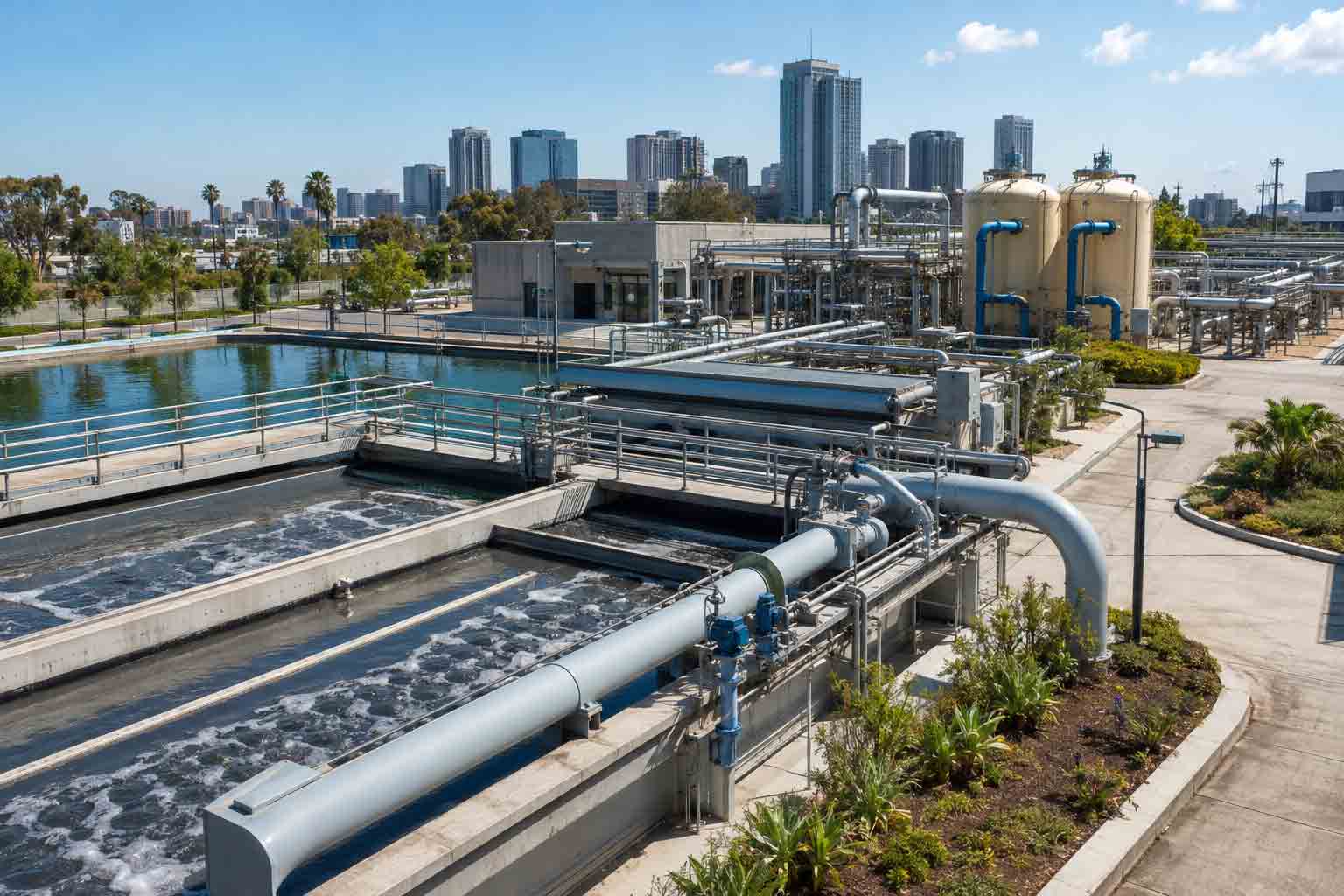
Wastewater reuse is becoming an important part of urban infrastructure as cities seek to expand water capacity without placing additional pressure on freshwater sources. Modern treatment facilities can process wastewater for industrial use, landscape irrigation, cooling systems and other non-potable applications, reducing the volume of high-quality water required for everyday urban operations. When integrated with distribution networks, storage systems and long-term planning, reuse infrastructure gives cities greater flexibility during periods of population growth, drought and rising industrial demand. Its value lies not only in conserving water, but in creating a more resilient and diversified urban supply system.
By Central News Editorial Team
Source: Central.News
Related:
Explore more in Markets, Infrastructure, and AI & Technology.
This article is part of an ongoing editorial series by Central.News covering global systems across Markets, Infrastructure, AI & technology. New insights are published daily.