

CENTRAL.NEWS
Image default
Infrastructure

Industrial Water Treatment Is Becoming More Decentralized and More Data-Driven

Industrial water treatment is evolving as manufacturers and infrastructure operators seek more flexible ways to manage water quality, availability and operational requirements.

Large centralized treatment facilities remain important, but smaller treatment systems located closer to individual industrial sites are becoming relevant in applications where water requirements vary significantly between users.

Decentralized systems can allow facilities to treat water according to specific production needs. Manufacturing plants, food-processing operations, energy facilities and other industrial users may require different levels of filtration, chemical control or water recovery.

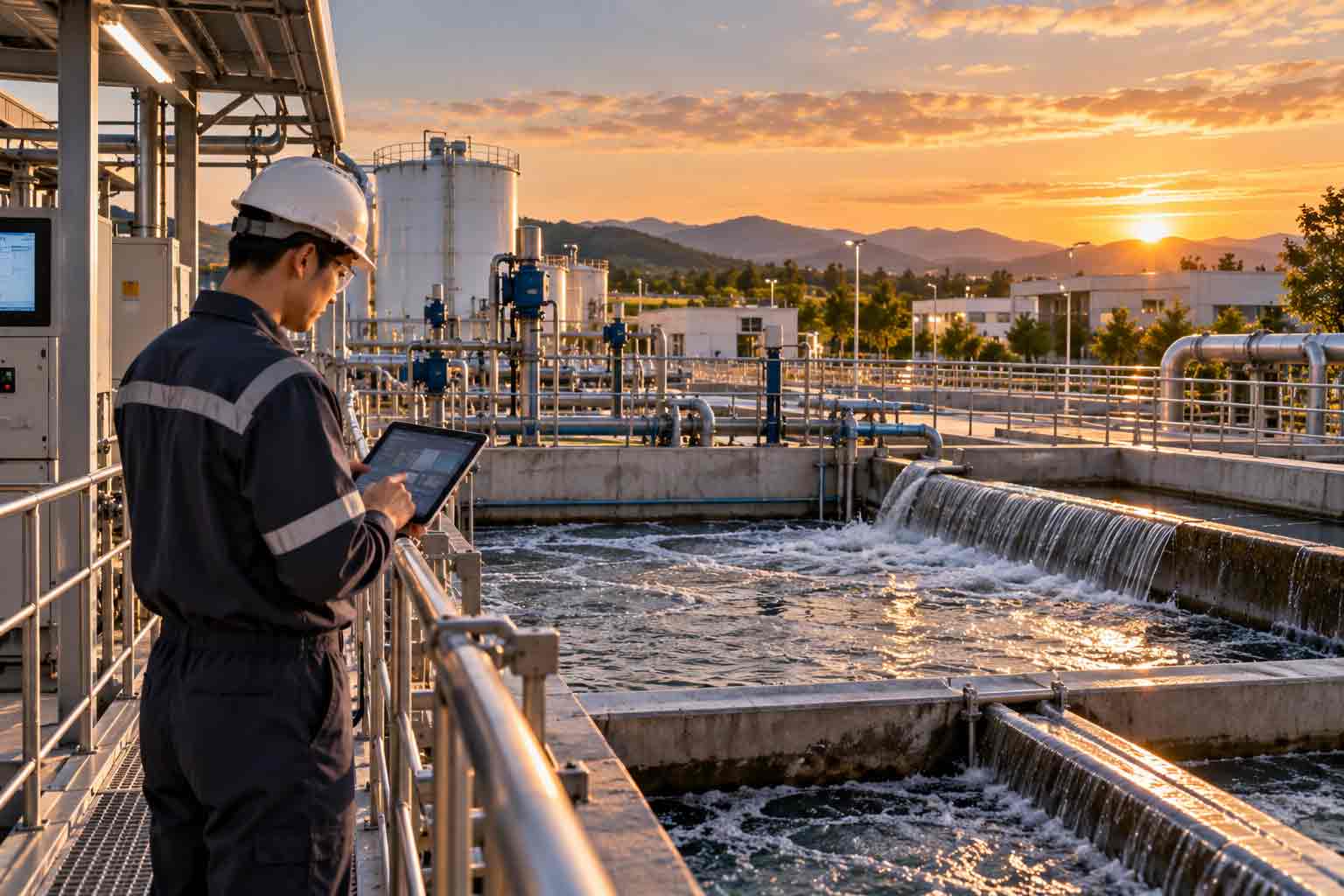
Digital monitoring is also changing how treatment equipment operates. Sensors can measure water quality, flow, pressure and treatment performance, allowing operators to identify changes and adjust processes more quickly.

When monitoring information is connected to automated control systems, treatment facilities may be able to improve chemical dosing, energy consumption and maintenance planning.

The approach requires careful coordination. Local treatment capacity must be supported by suitable engineering, monitoring, maintenance and regulatory compliance to maintain reliable performance.

The broader significance is that industrial water management is becoming more adaptable. By combining decentralized treatment with continuous operational data, facilities can respond more effectively to changing water demands and local supply conditions.

By Central News Editorial Team
Source: Central.News

Related:
Explore more in  Markets,  Infrastructure, and AI & Technology.

This article is part of an ongoing editorial series by Central.News covering global systems across Markets, Infrastructure, AI & technology. New insights are published daily.