

CENTRAL.NEWS
Image default
AI & Technology

AI-Assisted Process Control Is Moving Deeper Into Continuous Manufacturing

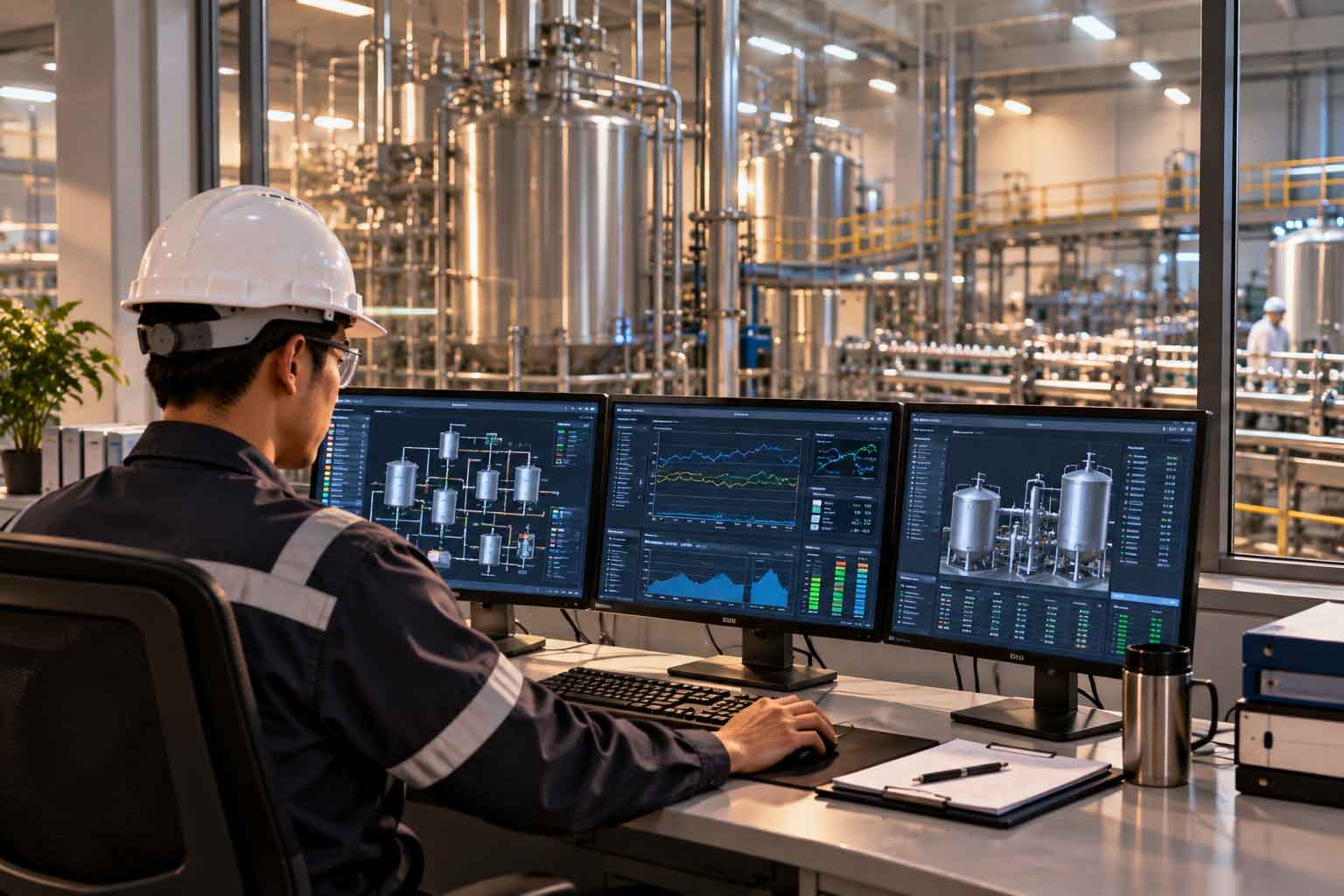
Artificial intelligence is becoming more closely connected to process control in manufacturing environments where production operates continuously rather than through separate assembly stages.

Industries such as chemicals, food processing, paper, metals and energy rely on stable operating conditions to maintain product quality and efficient production.

Traditional control systems use established models, measurements and predefined operating limits to regulate variables such as temperature, pressure, flow and material composition.

AI-assisted systems can complement these controls by analyzing larger combinations of operating data and identifying patterns that may be difficult to capture through conventional models alone.

For example, changes in raw material characteristics, environmental conditions or equipment performance may influence several parts of a production process simultaneously. AI can help operators evaluate these interactions and identify possible adjustments.

However, industrial control requires dependable performance. AI recommendations must be validated against engineering constraints, equipment limitations and safety requirements before being applied to production.

The broader significance is that manufacturing intelligence is moving closer to real-time operations. As AI becomes better integrated with established control systems, continuous production facilities may gain additional tools for improving consistency, efficiency and operational stability.

By Central News Editorial Team
Source: Central.News

Related:
Explore more in  Markets,  Infrastructure, and AI & Technology.

This article is part of an ongoing editorial series by Central.News covering global systems across Markets, Infrastructure, AI & technology. New insights are published daily.