

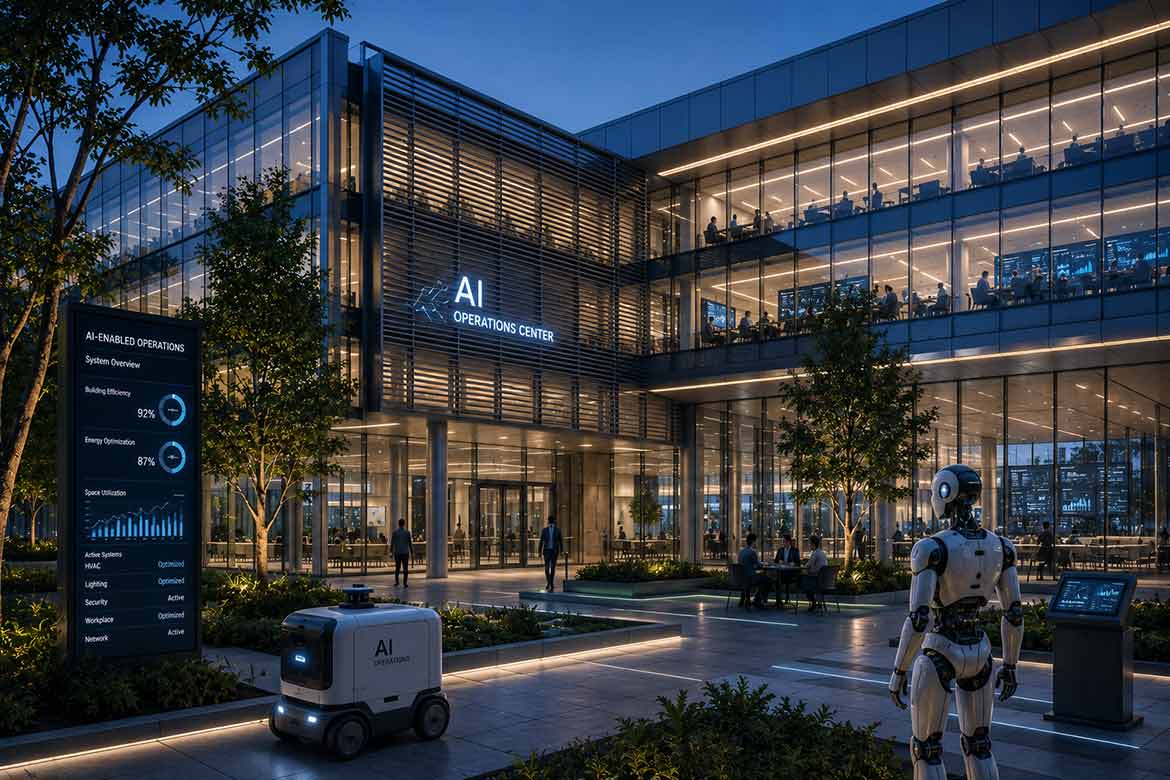
Artificial intelligence coordination systems are becoming increasingly integrated into institutional operational environments as organizations seek more stable and adaptive infrastructure management capabilities.
Rather than functioning as isolated automation tools, modern AI systems are now being deployed within broader operational ecosystems that connect mobility coordination, public infrastructure monitoring, enterprise workflows, and resource management environments.
Industry analysts note that current AI adoption trends are shifting toward operational intelligence, where systems are designed to assist long-term coordination, efficiency optimization, and institutional stability across interconnected environments.
Infrastructure operators are also emphasizing calmer and more transparent system integration models that prioritize reliability, environmental awareness, and human oversight within complex operational structures.
As intelligent systems continue evolving, AI is increasingly viewed as part of a larger architectural layer supporting future public infrastructure, enterprise coordination, and structured operational environments.
By Central News Editorial Team
Source: Central.News
Related:
Explore more in Policy, Markets, Tech, Infrastructure, and AI.
This article is part of an ongoing editorial series by Central.News covering global systems across policy, markets, infrastructure,AI and technology. New insights are published daily.