

CENTRAL.NEWS
Image default
Infrastructure

Cold Storage Networks Are Becoming Critical Infrastructure for Modern Supply Chains

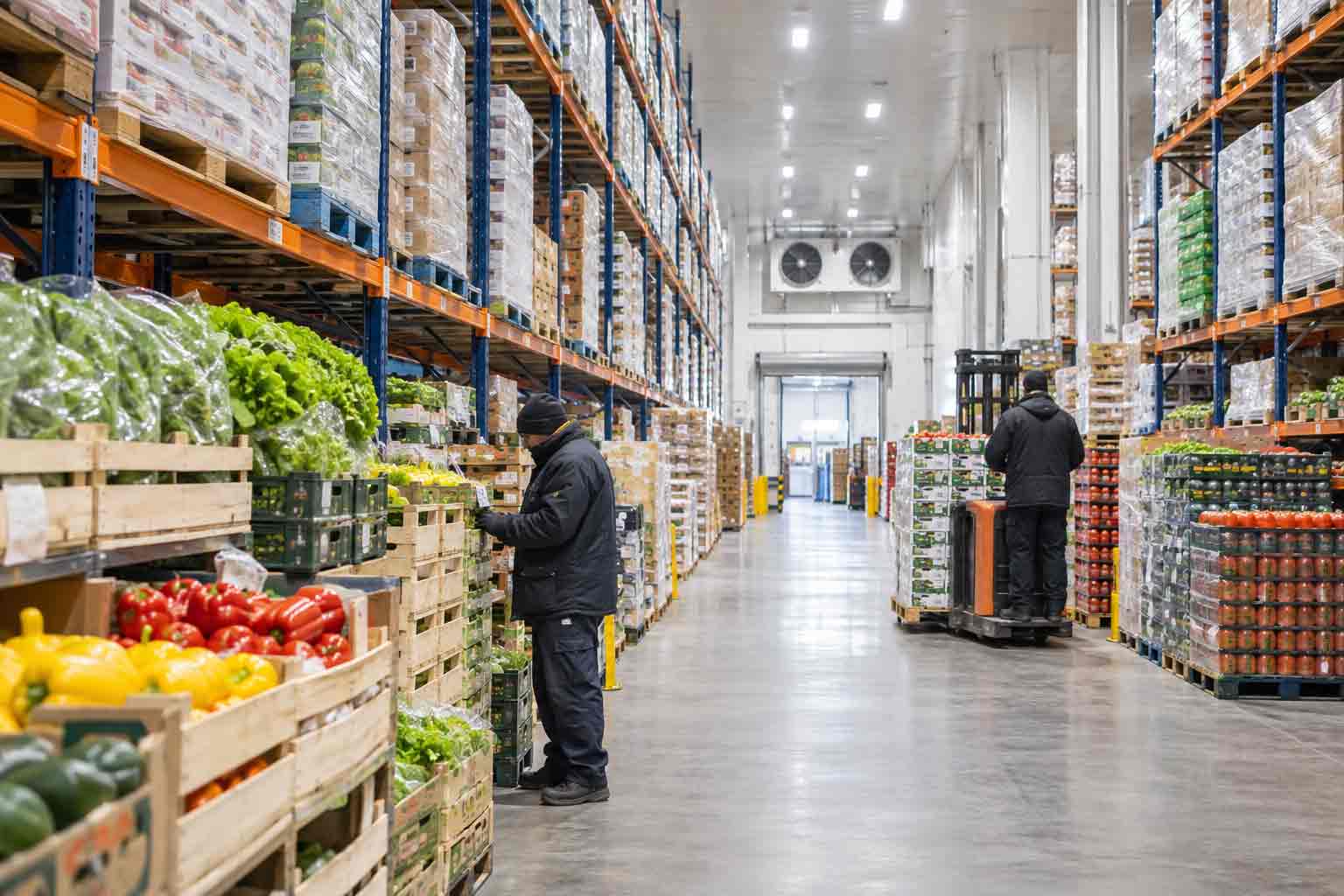
Cold storage networks are becoming an increasingly important part of modern supply chains as more food, pharmaceuticals and temperature-sensitive products move across longer distances. Maintaining stable temperatures between production, storage, transport and delivery is essential to preserving product quality and reducing losses.

Cold-chain infrastructure includes refrigerated warehouses, distribution centers, specialized vehicles, monitoring systems and local storage facilities. These components must operate as a connected network because a temperature failure at one stage can affect the entire shipment.

Growth in fresh food distribution, online grocery services and temperature-sensitive healthcare products is increasing demand for reliable cold-storage capacity. At the same time, operators are under pressure to improve energy efficiency because refrigeration systems can consume significant amounts of electricity.

Location is also important. Cold-storage facilities positioned near farms, ports, cities and major logistics corridors can reduce transport time and make supply networks more responsive.

The broader significance is that refrigeration is becoming part of essential logistics infrastructure. As supply chains become more complex, cold storage will increasingly influence food security, healthcare distribution and the resilience of regional trade systems.

By Central News Editorial Team
Source: Central.News

Related:
Explore more in  Markets,  Infrastructure, and AI & Technology.

This article is part of an ongoing editorial series by Central.News covering global systems across Markets, Infrastructure, AI & technology. New insights are published daily.