

CENTRAL.NEWS
Image default
Infrastructure

Freight Consolidation Hubs Are Becoming a Key Layer of Urban Logistics Infrastructure

Freight consolidation hubs are becoming more important as cities manage growing delivery volumes while trying to reduce congestion, emissions and inefficient vehicle movement.

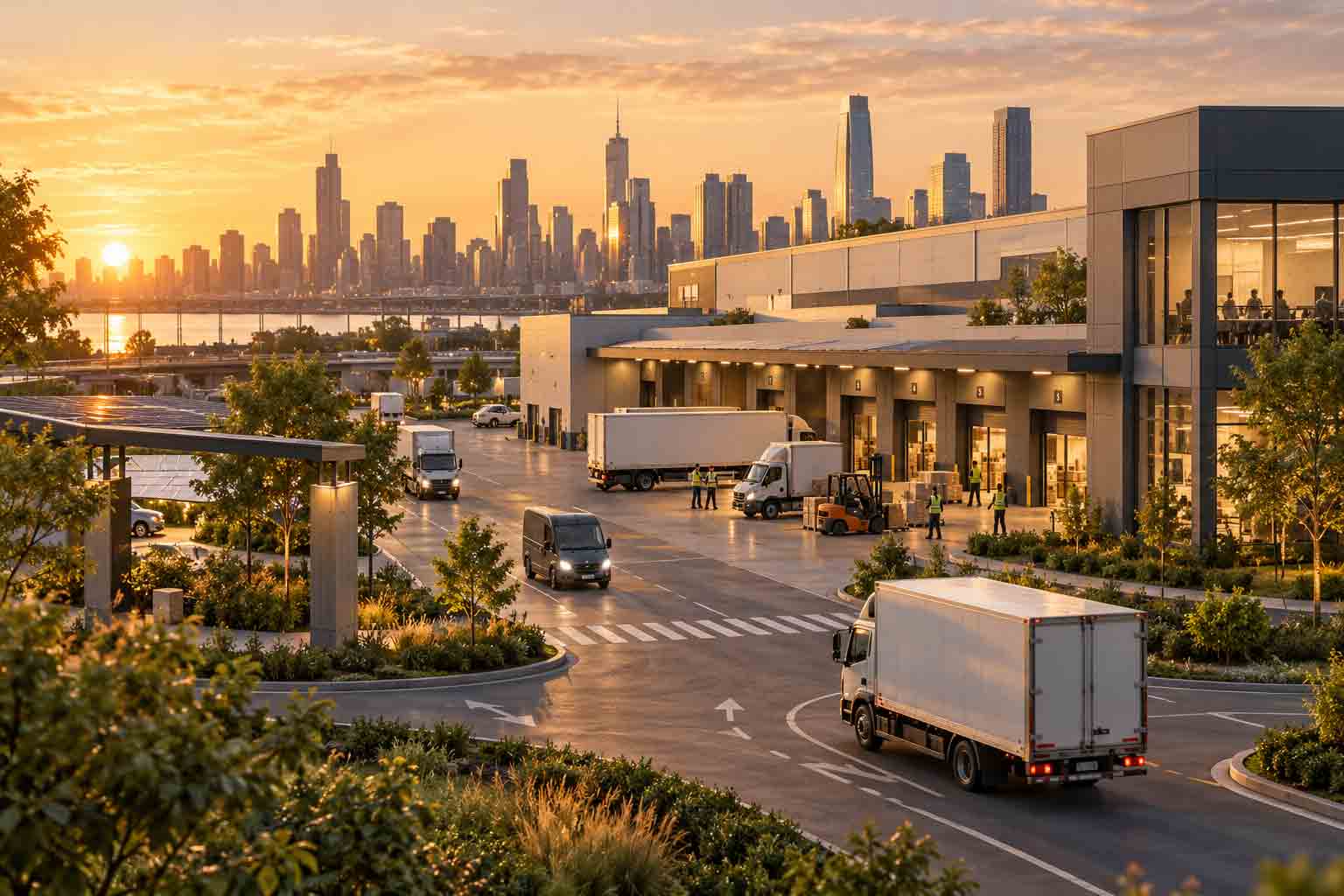
Instead of sending every shipment directly from distant warehouses into dense urban areas, goods can be transferred through local consolidation centers. From there, deliveries can be reorganized into smaller, more efficient routes.

This model can reduce the number of partially loaded trucks entering city centers and make it easier to use electric vehicles, cargo bikes or other lower-impact delivery methods for the final stage.

Location is critical. Hubs must be close enough to major delivery areas to improve efficiency while still connecting effectively with regional warehouses, highways and rail networks.

The broader significance is that urban logistics is becoming infrastructure in its own right. As e-commerce and local delivery continue to grow, cities may increasingly need dedicated freight systems designed with the same attention given to passenger transport.

By Central News Editorial Team
Source: Central.News

Related:
Explore more in  Markets,  Infrastructure, and AI & Technology.

This article is part of an ongoing editorial series by Central.News covering global systems across Markets, Infrastructure, AI & technology. New insights are published daily.