

CENTRAL.NEWS
Image default
Infrastructure

Local Substations Become Critical to Electrified Cities and Industry

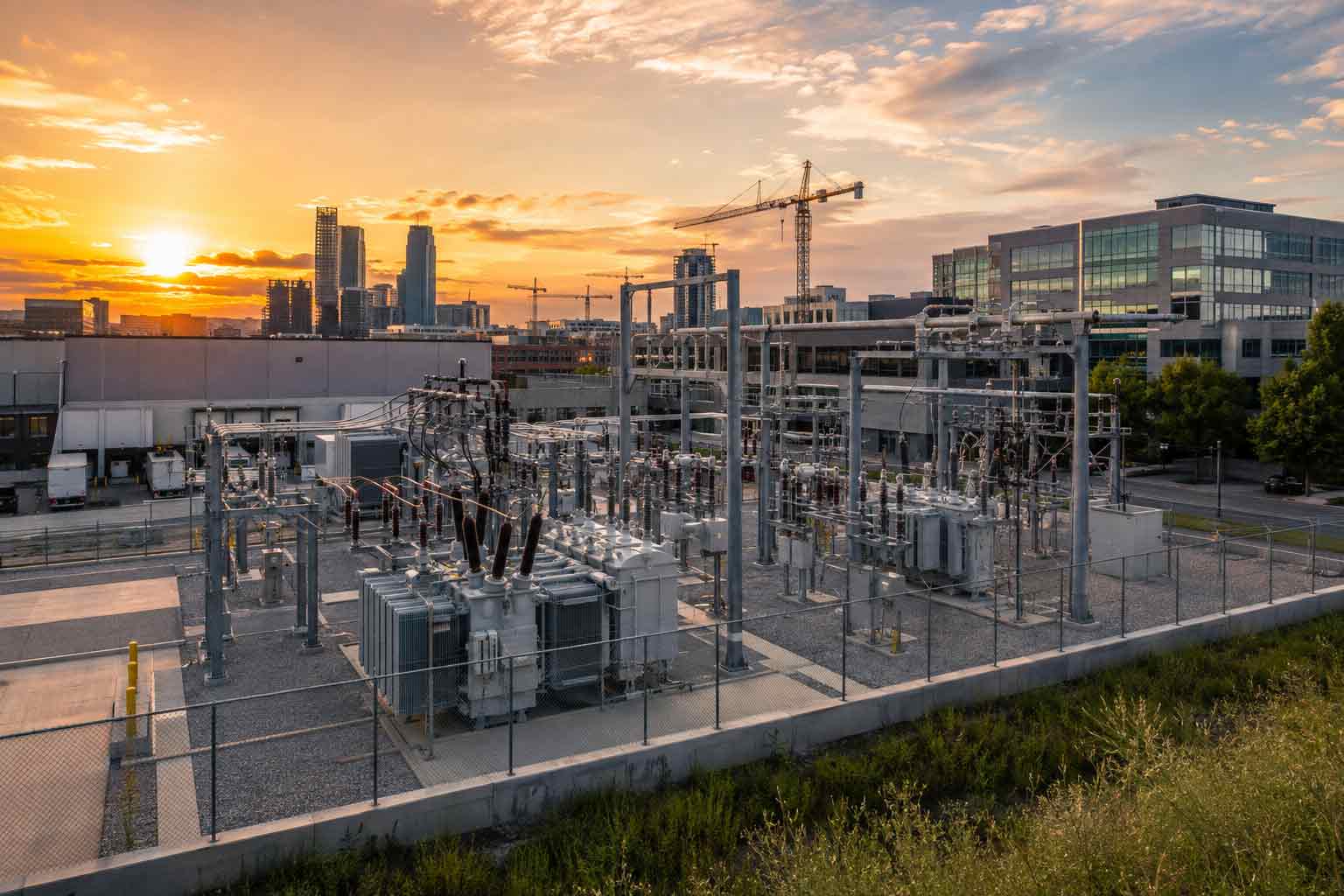
Local substations are becoming more important as cities and industrial districts place greater demand on electricity networks. Electrification across transport, buildings, manufacturing and digital infrastructure requires power to be distributed more reliably and at higher capacity closer to where it is actually used. Substations help manage this transition by transforming voltage, directing electricity across local networks and protecting critical equipment from faults or overloads.

Their role is especially important in fast-growing urban and industrial areas, where electricity demand can rise unevenly across different parts of the network. New data facilities, automated factories, electric transport systems and high-density developments can create concentrated loads that require stronger local distribution infrastructure. Upgraded transformers, switchgear and monitoring systems allow operators to manage these pressures while maintaining service stability.

As electrification continues, substations are increasingly becoming strategic infrastructure rather than background utility assets. Their capacity, location and resilience can influence how quickly cities and industries are able to add new electrical demand. Strengthening local substations therefore supports not only reliable power delivery, but the wider expansion of the electrified systems shaping modern urban and industrial growth.

By Central News Editorial Team
Source: Central.News

Related:
Explore more in  Markets,  Infrastructure, and AI & Technology.

This article is part of an ongoing editorial series by Central.News covering global systems across Markets, Infrastructure, AI & technology. New insights are published daily.