

CENTRAL.NEWS
Image default
Infrastructure

Redundancy Is Becoming a Design Requirement for Essential Systems

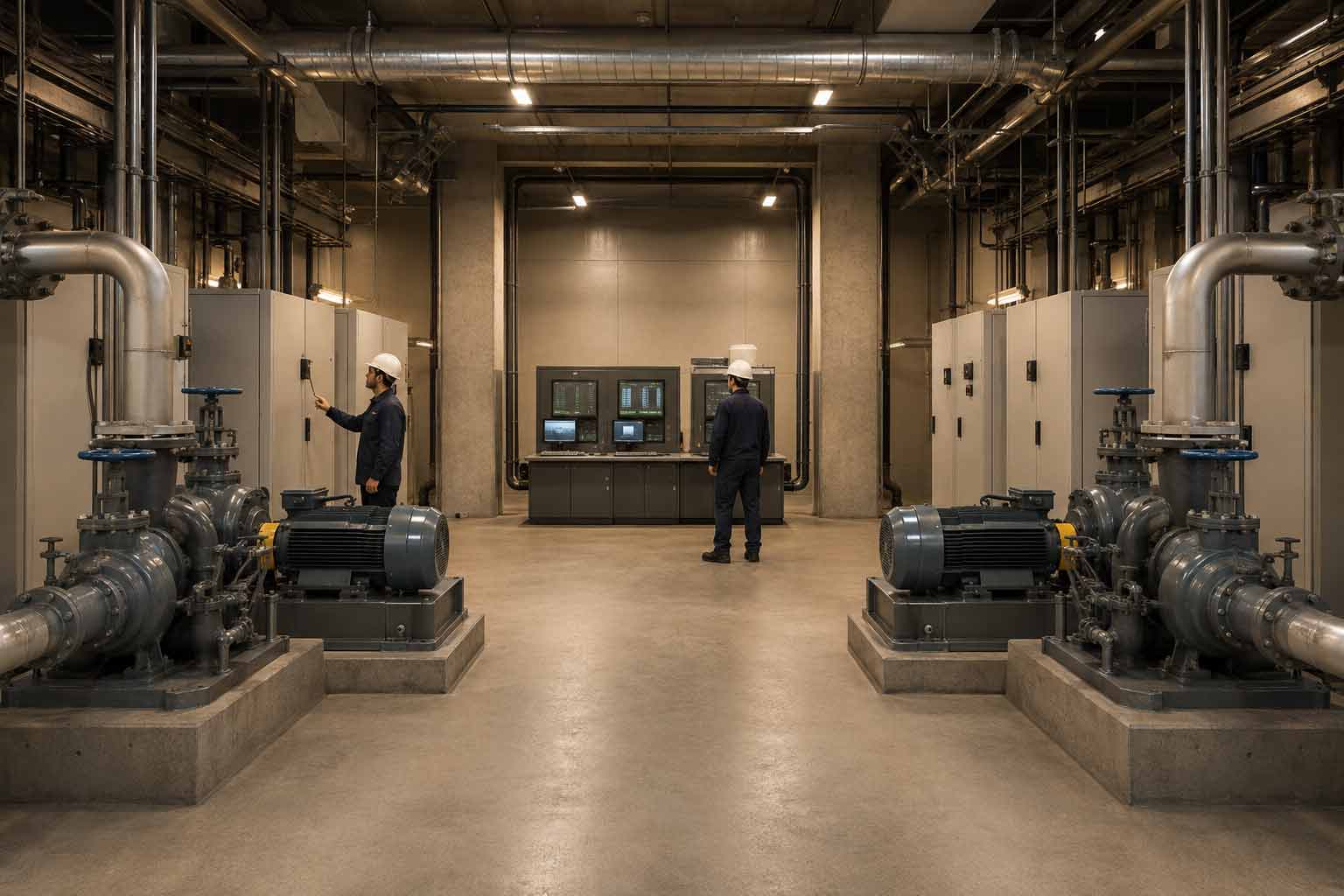
Redundancy is becoming a fundamental design requirement for infrastructure that must continue operating when individual components fail. Parallel pumps, duplicated power equipment, backup control systems and alternative operating paths allow essential facilities to maintain service while equipment is repaired, inspected or taken offline.

The principle is particularly important for water, energy, healthcare and other critical services where a single equipment failure can affect large numbers of users. Well-designed redundancy does not simply duplicate machinery; it ensures that backup equipment has sufficient capacity, independent controls and operating arrangements that allow it to function when the primary system is unavailable.

As infrastructure becomes more interconnected, designers are paying greater attention to avoiding single points of failure. The additional capital required for redundant systems can appear inefficient when everything is operating normally, but its value becomes clear when maintenance or unexpected faults occur. Reliability is increasingly being designed into infrastructure before disruption happens.

By Central News Editorial Team
Source: Central.News

Related:
Explore more in  Markets,  Infrastructure, and AI & Technology.

This article is part of an ongoing editorial series by Central.News covering global systems across Markets, Infrastructure, AI & technology. New insights are published daily.