

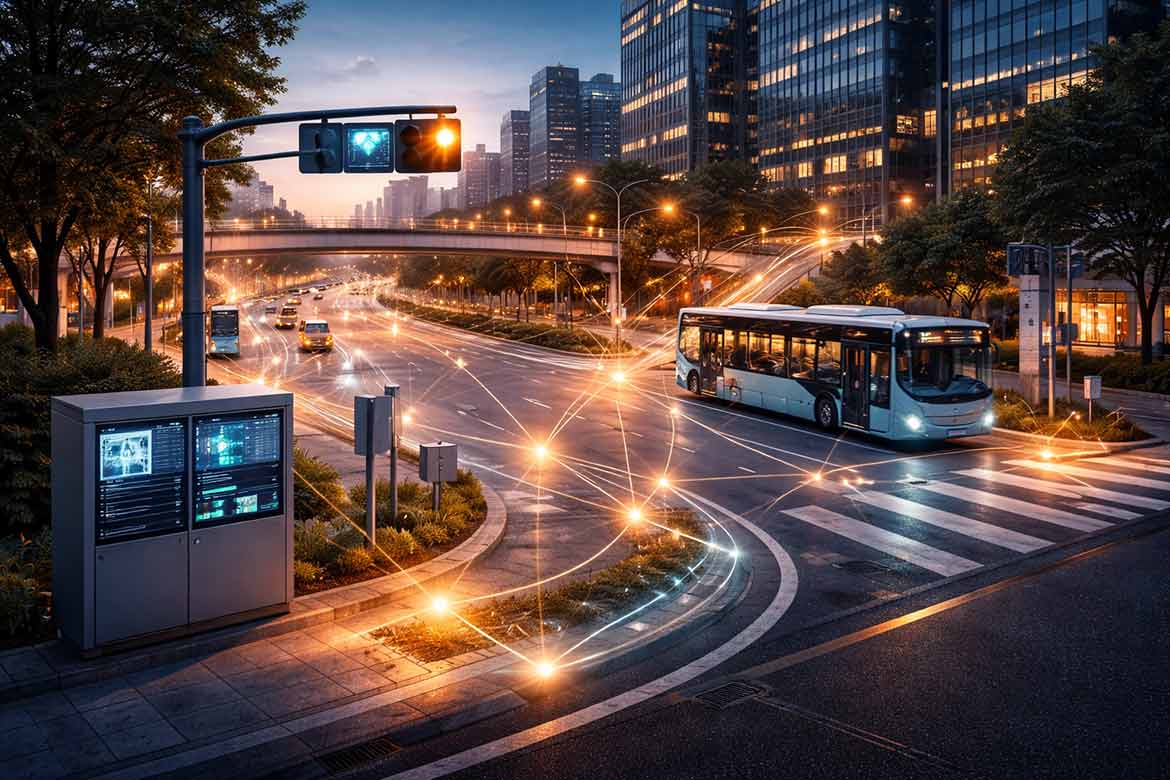
Urban infrastructure systems are playing an increasingly important role in improving the efficiency and coordination of modern cities. As urban populations continue to grow, the demand for integrated transport, energy, and communication networks is becoming more evident, particularly in relation to broader infrastructure development strategies.
Recent developments indicate that cities are focusing on improving coordination across multiple infrastructure layers. These systems are designed to enhance operational efficiency while supporting long-term urban sustainability and alignment with evolving policy frameworks.
In particular, integrated infrastructure models are being explored to connect transportation networks with energy distribution and digital communication systems. This interconnected approach allows for better resource allocation and improved responsiveness to changing urban demands.
At the same time, investments in infrastructure modernization are contributing to the development of more adaptive and resilient urban environments. These efforts are expected to support both economic activity and long-term urban planning objectives.
By Central News Editorial Team
Source: Central.News
Related:
Explore more in Policy, Markets, Tech, and Infrastructure.
Explore more industry coverage at Gem.News.
This article is part of an ongoing editorial series by Central.News covering global systems across policy, markets, infrastructure, and technology. New insights are published daily.